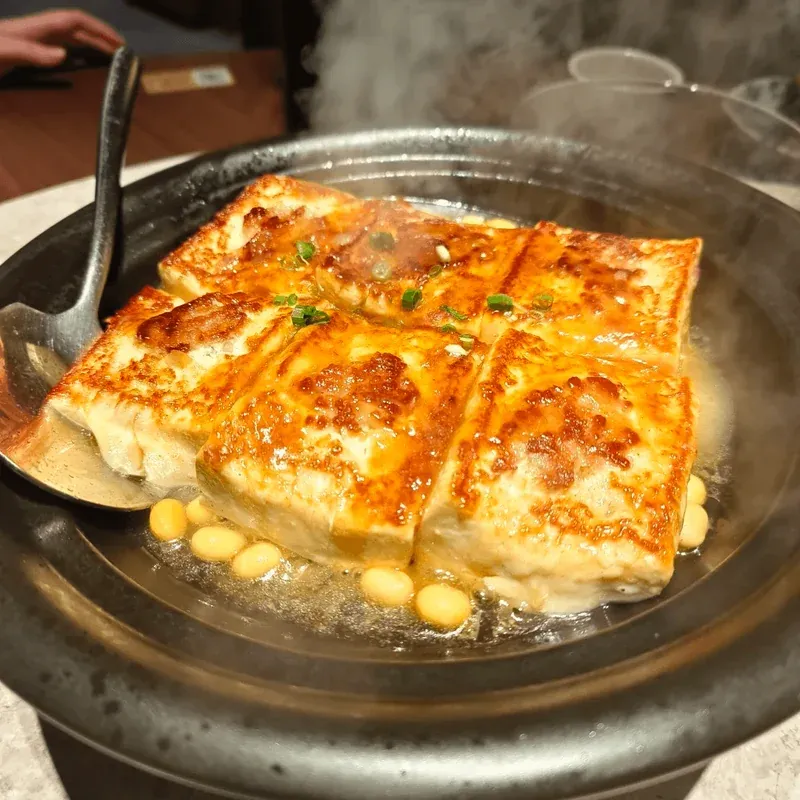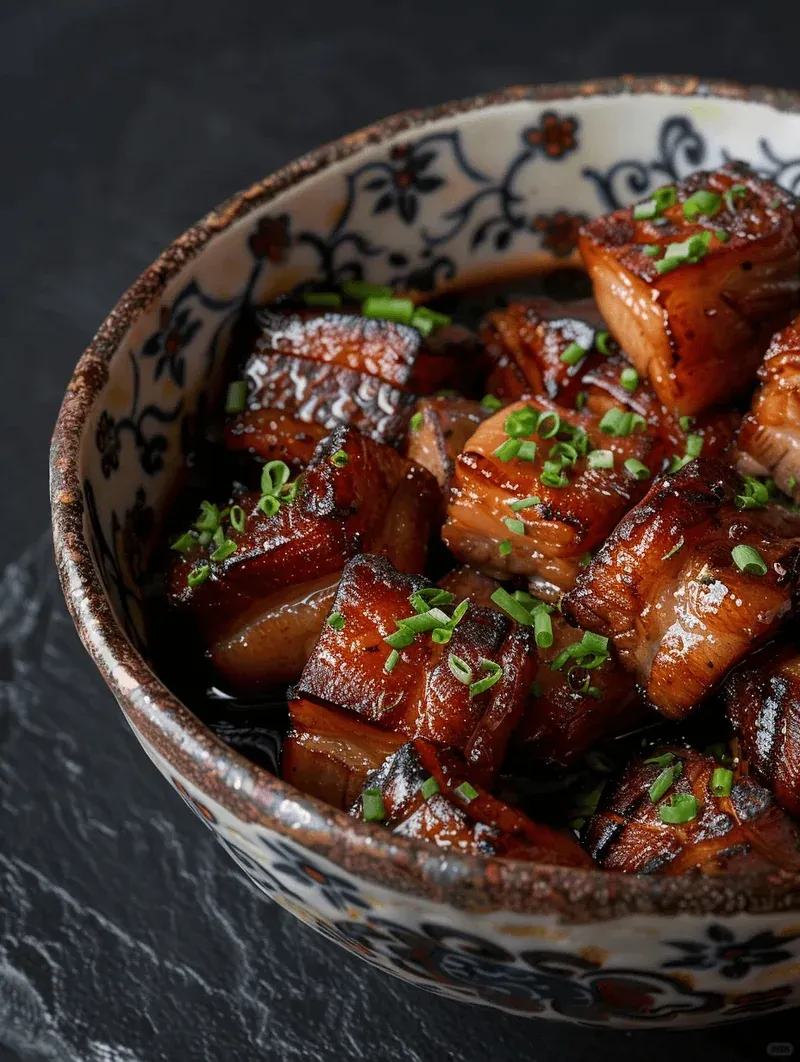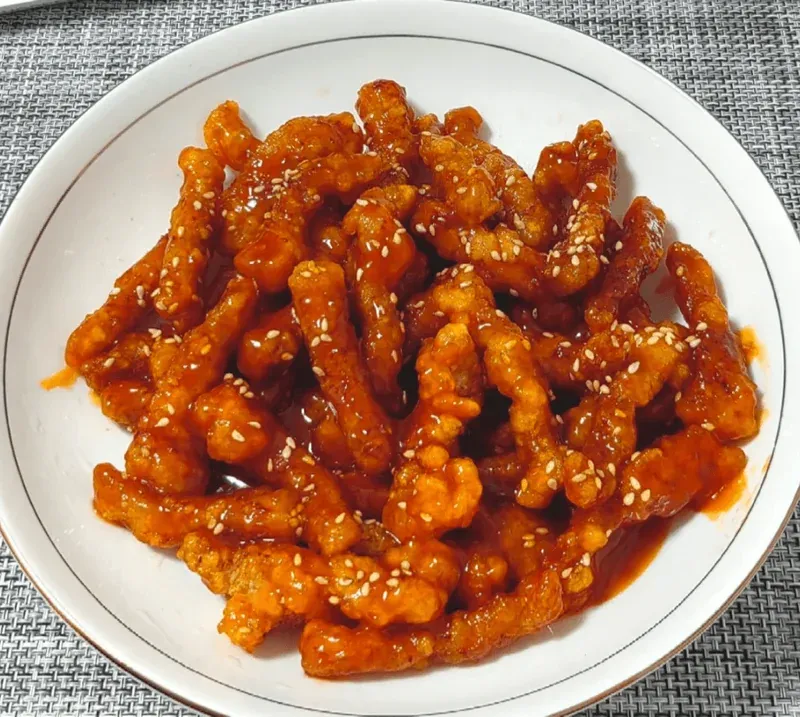
Experience the true essence of traditional Chinese cuisine with this authentic Sweet and Sour Pork recipe, known as Tang Cu Li Ji. Unlike the brightly colored versions often found in takeout boxes, this dish is rooted in centuries-old culinary practices, emphasizing the delicate balance between sweetness and acidity without relying on ketchup.
The Culinary Heritage
Nestled deep within China’s rich culinary tapestry, Sweet and Sour Pork is a dish that echoes the flavors of ancient times. It showcases the artistry of balancing contrasting flavors, a hallmark of Chinese cooking that’s been perfected over generations.
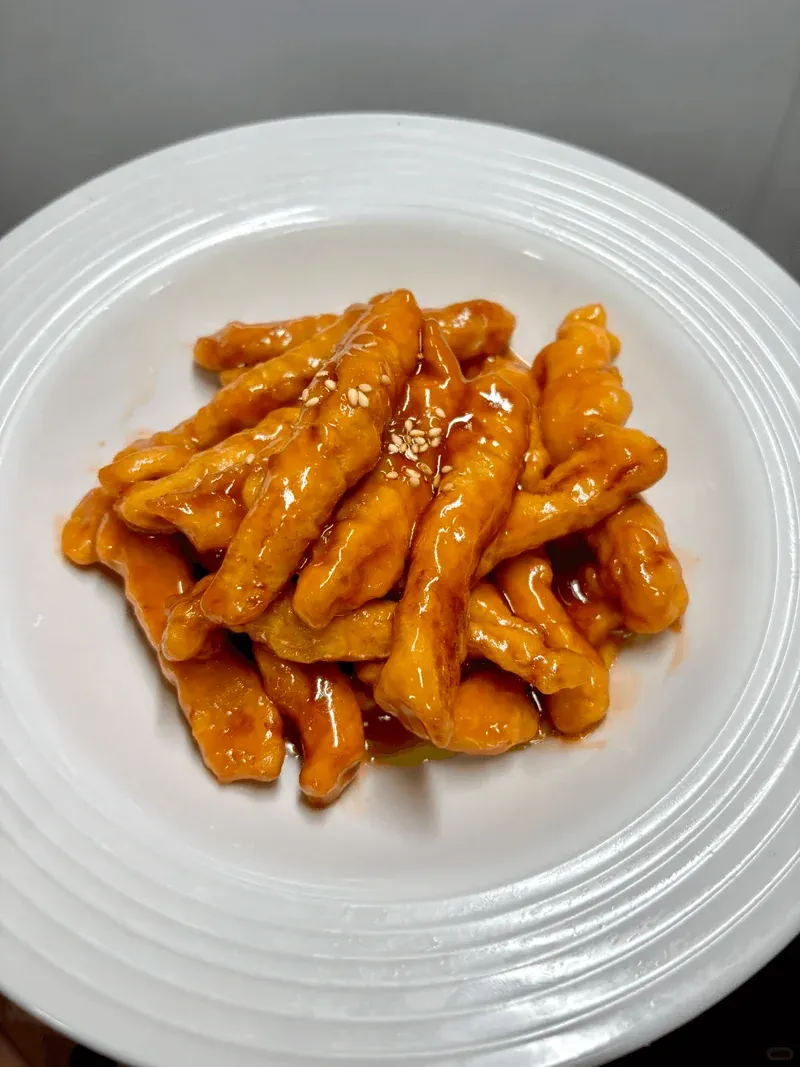
Essential Ingredients for Authenticity
Pork Tenderloin
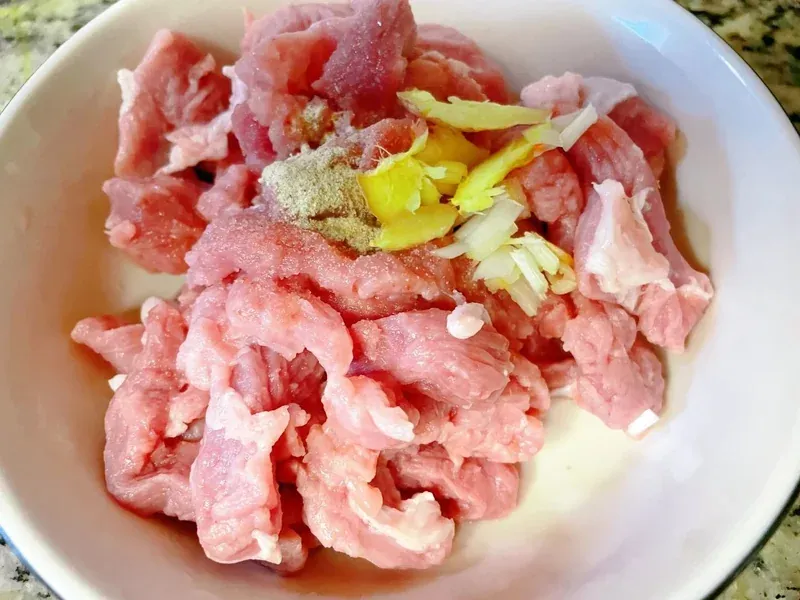
- 320g (approx. 0.7 lbs) Pork Tenderloin: Precisely sliced into uniform strips.
- Seasoning: A modest sprinkle of salt and white pepper to accentuate the meat’s natural flavors.
The Sweet & Sour Symphony (No Tomato Sauce!)
- 68g White Sugar: Lends a subtle sweetness and lustrous glaze.
- 35g 9-Degree Rice Vinegar: Infuses a sharp, refreshing acidity.
- 22g Aged Mature Vinegar (Chinkang Vinegar): Introduces an earthy, smoky undertone.
- 12g Light Soy Sauce: Enhances the dish with umami richness.
- 5g Dark Soy Sauce: Provides a deep, amber hue.
- 1g Salt: Balances and deepens the overall flavor.
The Secret to Crispiness: Scalded Starch Batter
- Base: 125g Potato Starch (split into 15g and 110g portions).
- Liquid: 22g Boiling Water + 72g Cool Water.
- Finish: 22g Neutral Cooking Oil (such as canola or vegetable).
Step-by-Step Culinary Journey
1. Prepping the Pork for Optimal Texture
Wash the pork strips and pat them dry thoroughly with a towel. Season with salt and white pepper, then vigorously knead until they achieve a sticky texture (“Qi Jiao”), ensuring a firm and springy bite post-frying.
2. Crafting the Perfect Batter: The Scalded Starch Technique
This method guarantees a crust that retains its crispiness:
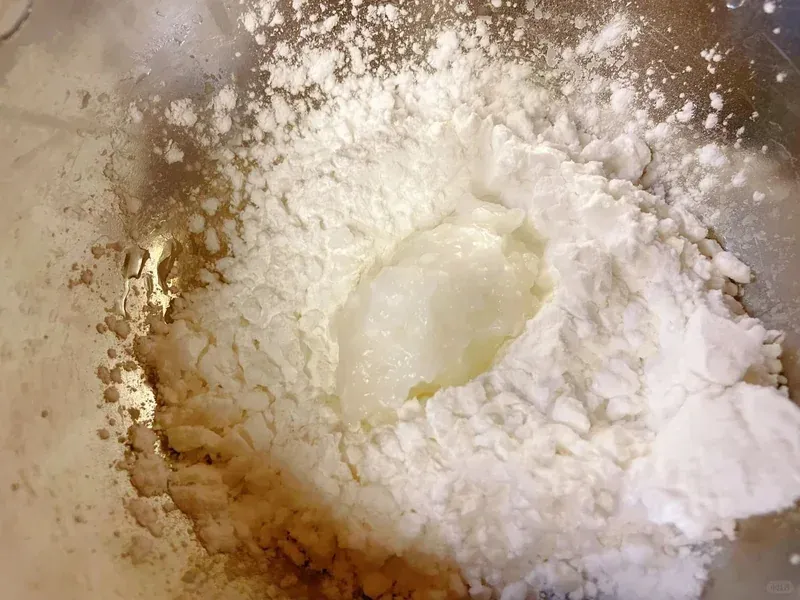
- Scalding: Combine 15g potato starch with 22g boiling water, stirring until a clear, sticky paste forms.
- Mixing: Blend in the remaining 110g of dry starch.
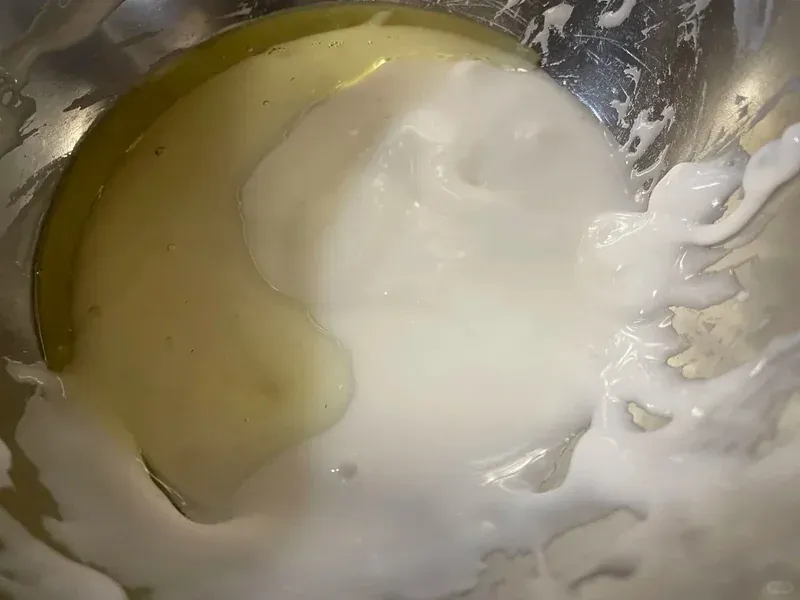
- Adjusting: Gradually incorporate 72g of cool water for a smooth batter.
- Non-Stick Trick: Add 22g of oil to prevent sticking during frying.
3. Achieving the Ultimate Crunch with Triple-Frying
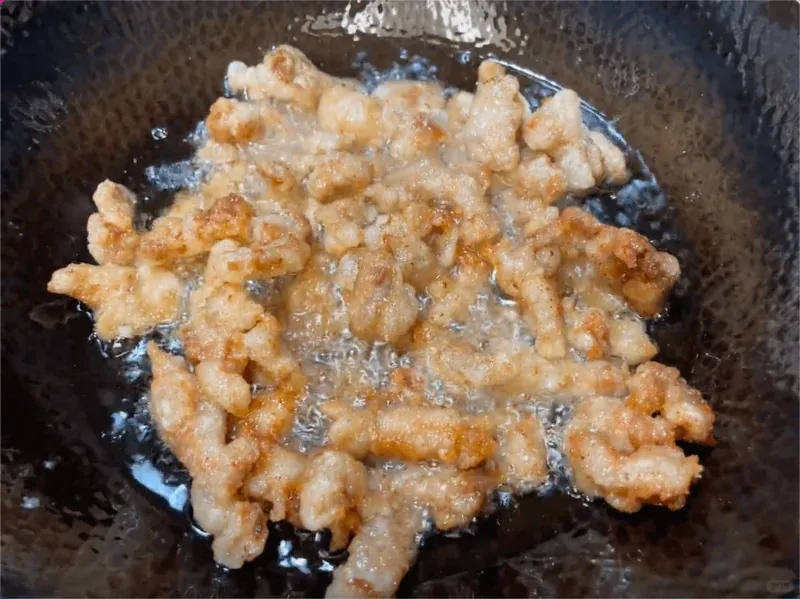
- First Fry: Heat oil to 330°F (165°C). Add the pork, separating pieces once the exterior sets. Remove as a light golden hue develops.
- Second Fry: Increase temperature slightly, frying for another minute to expel excess moisture.
- Final Fry: At a higher temperature, flash-fry for 30 seconds, creating a glassy shell that remains crispy.
4. Enveloping in a Lustrous Glaze
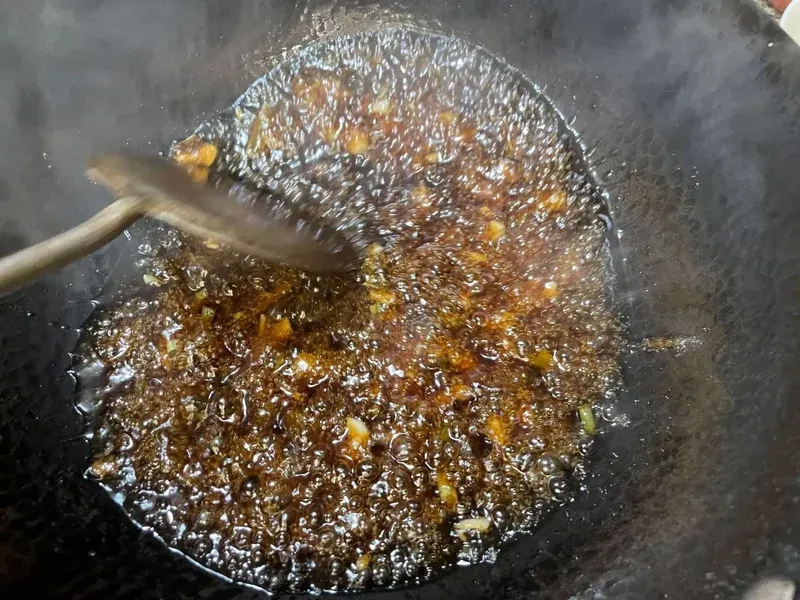
Off the heat, sauté minced ginger and garlic. Introduce the sauce mix, bringing it to a boil while adding a cornstarch slurry (7g starch + 22g water) for thickening.
- The “Liang You” Touch: Just before coating the pork, stir in a tablespoon of hot oil for a professional shine.
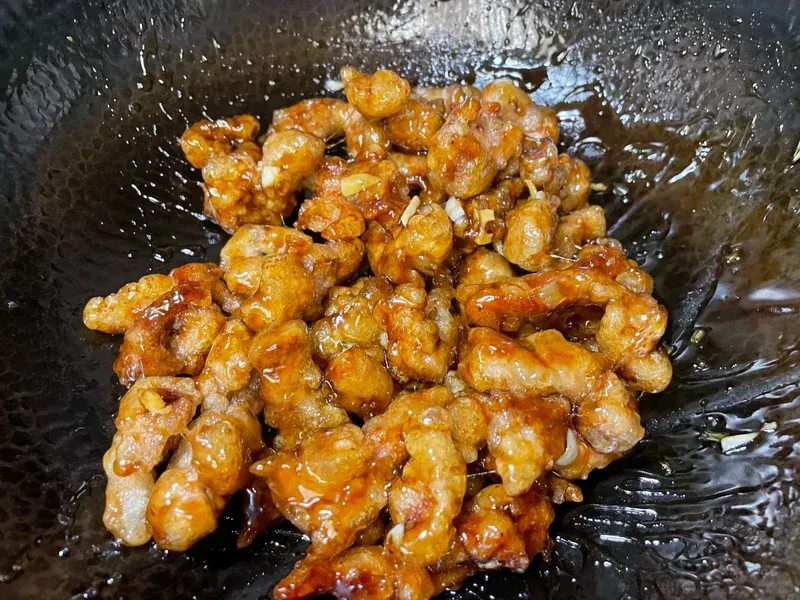
- Final Coating: Quickly toss the pork in sauce, serving immediately.
Culinary Insights and Techniques
- Vinegar Pairing: The combination of rice and Aged Vinegar creates a layered flavor profile, from bright to earthy, offering a complexity that ketchup cannot.
- Potato Starch Advantage: Preferred for its larger granules and lower gelatinization temperature, it results in a lighter, airy texture.
- Scalded Starch Method: Pre-gelatinizing starch adds a thermal barrier that retains pork’s juiciness while achieving an unparalleled crunch.
Nutritional Overview (Per Serving)
- Calories: 420 kcal
- Protein: 23g
- Carbohydrates: 47g
- Fat: 17g
- Rich in Vitamin B6 & Selenium
Delight in the authentic flavors of traditional Sweet and Sour Pork, an emblem of China’s culinary heritage that promises a genuine taste experience.