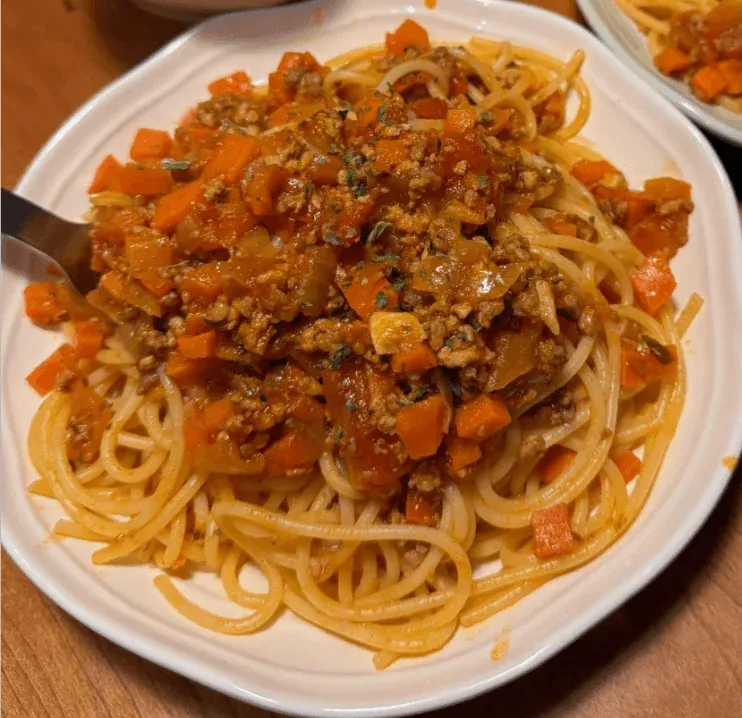
True connoisseurs of Italian cuisine understand that real Ragù alla Bolognese is a culinary treasure that transcends the ordinary meat and tomato sauce. This exquisite dish hails from the beautiful city of Bologna, where it is revered as a cornerstone of local gastronomy. The key to its complexity lies in a careful, slow cooking process that melds flavors into a hearty, rich sauce. Central to its preparation is the soffritto, a harmonious blend of celery, carrots, and onions, complemented by milk to soften the meat and wine to enhance depth. This dish epitomizes the essence of Italian home cooking, offering warmth and comfort in every bite.
📋Ingredients
- 480g Ground beef (containing 15-20% fat), optionally mixed with pork
- 420g Spaghetti or traditional Tagliatelle
- 1 Medium onion, finely chopped
- 1 Carrot, finely chopped
- 1 Celery stalk, finely chopped
- 2 tablespoons Tomato paste
- 1 can (approximately 400g) Crushed or San Marzano tomatoes
- 160ml Dry red or white wine
- 210ml Whole milk
- 2 tablespoons Extra virgin olive oil
- 1 bay leaf
- Salt and freshly ground black pepper
- Freshly grated Parmesan cheese (for garnishing)
🔪Traditional Cooking Method
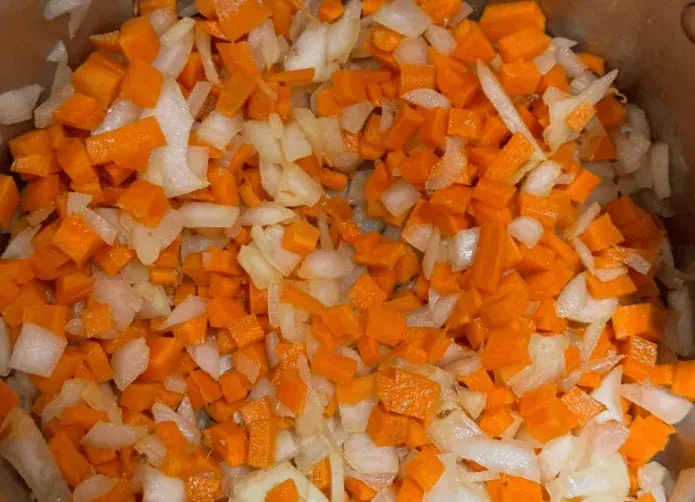
Step 1: Creating the Soffritto
- Warm the olive oil in a large pot or Dutch oven over medium heat. Add the finely chopped onion, carrot, and celery. Cook gently for around 8-10 minutes until the vegetables are tender and translucent, taking care not to let them brown.
Step 2: Achieving Perfect Meat Browning
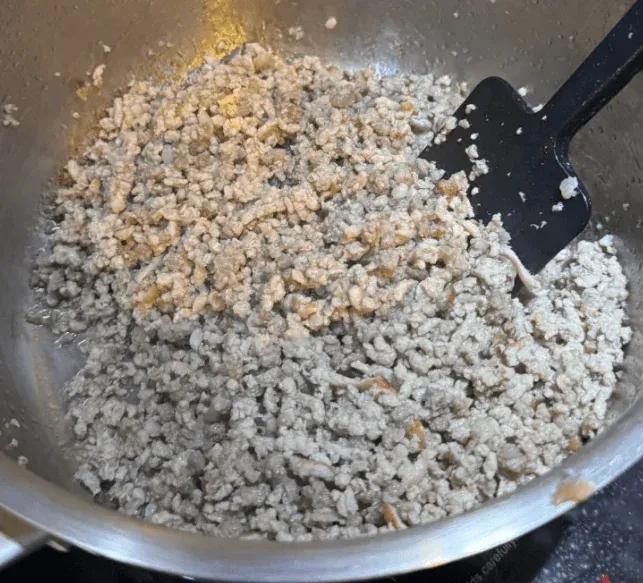
- Turn the heat to medium-high and introduce the ground meat into the pot. Break it into small pieces with a wooden spoon. Continue cooking until the meat is browned and the accompanying liquid has evaporated, leaving behind the fat.
Step 3: Enhancing with Wine
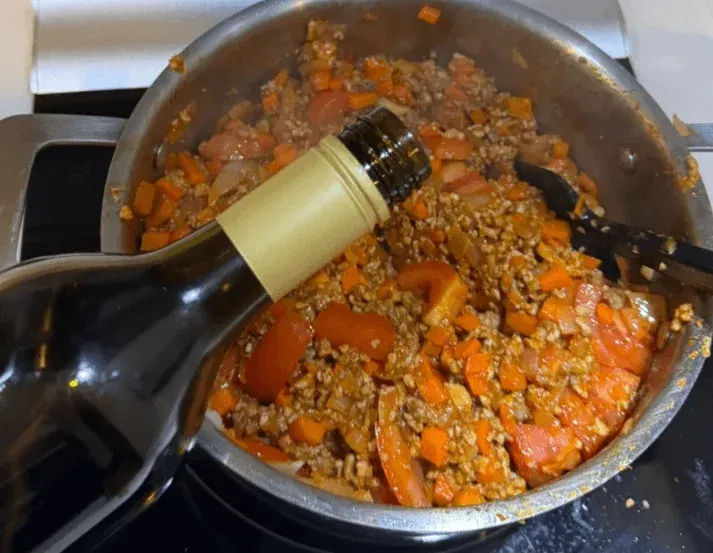
- Pour in the wine, stirring continuously and scraping up any browned bits from the bottom of the pot to deglaze. Let the wine simmer until it almost completely evaporates.
Step 4: Enriching with Milk and Tomatoes
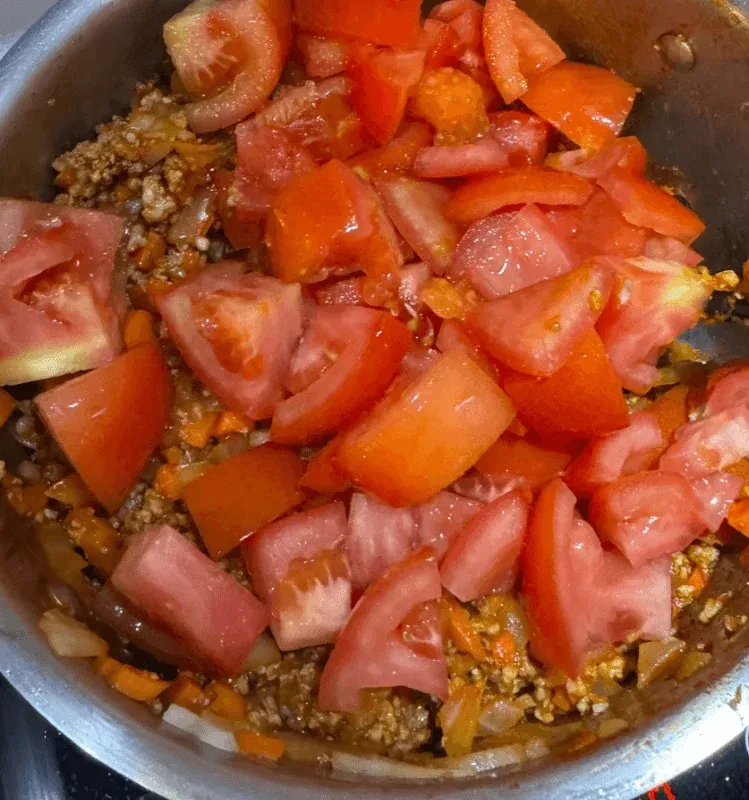
- Stir in the tomato paste and cook for about 2 minutes. Add the milk along with a pinch of nutmeg if desired. Allow the milk to evaporate, which aids in tenderizing the meat. Finally, add the crushed tomatoes and the bay leaf.
Step 5: The Art of Slow Simmering
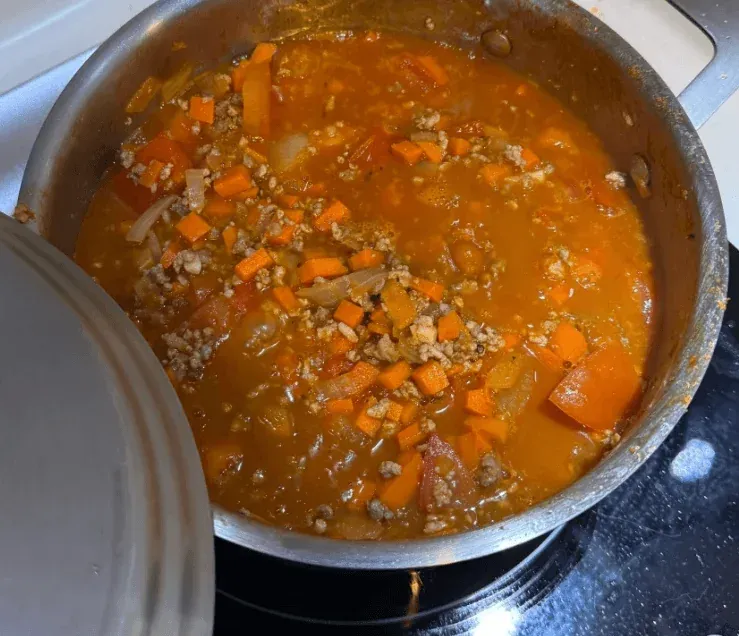
- Reduce the heat to the lowest setting. Partially cover the pot and let the sauce simmer for at least 1.5 to 2 hours. If the sauce thickens too much, add a bit of water or beef broth. The result should be a thick, shiny, and deeply red sauce.
Step 6: Marrying Pasta and Sauce
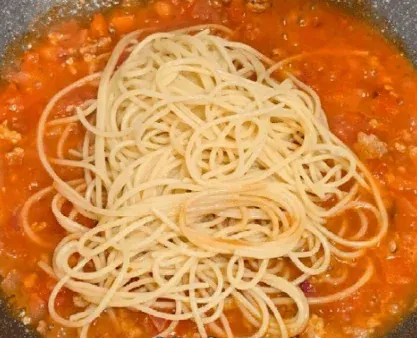
- Cook the spaghetti in salted boiling water until al dente. Reserve some pasta water. Mix the pasta into the sauce, adding reserved water as needed to help the sauce adhere to the pasta. Serve with an ample amount of Parmesan cheese.
Essential Tips
- Patience is Key: Allow the sauce to simmer for at least 90 minutes to fully develop its flavors. A quick sauce cannot replicate the depth of a lovingly simmered ragù.
- The Role of Milk: Incorporating milk helps neutralize the acidity of the tomatoes and wine, resulting in a smoother, more tender texture.
- Choosing the Right Pasta: Although “Spaghetti Bolognese” is widely recognized, in Bologna, this sauce is traditionally paired with Tagliatelle, as its broad surface is ideal for a rich meat sauce.
- Salt Consideration: Add salt towards the end of cooking, as the sauce will concentrate and intensify during simmering.
🧪Nutritional Information (Per Serving)
- Calories: Approximately 570 kcal
- Protein: 30 g
- Fat: 21 g
- Carbohydrates: 63 g
- Fiber: 5 g
- Iron: 26% DV
- Sodium: 620 mg